
Philip Togni
Spring Mountain, Napa Valley, California
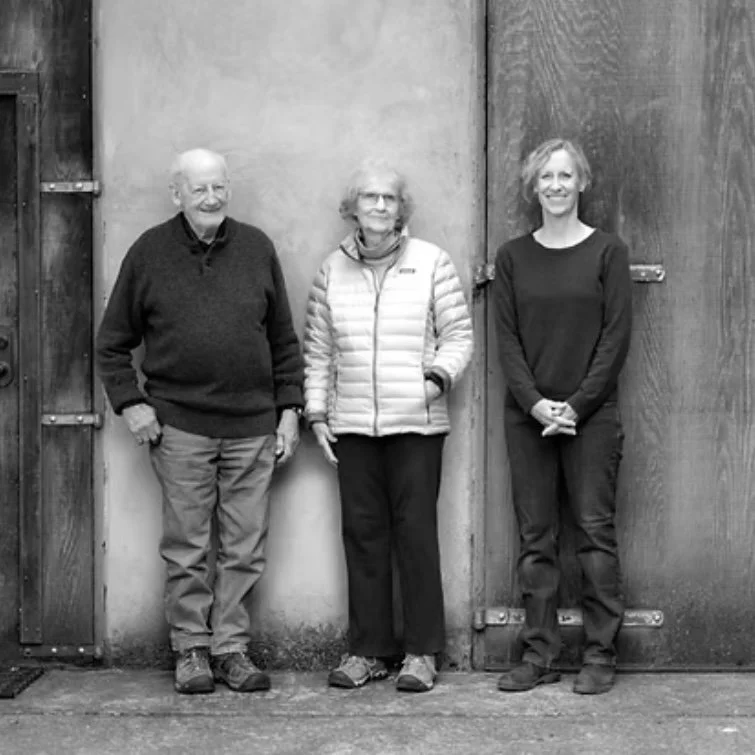
Philip, Birgitta and Lisa Togni
Photo Courtesy of Philip Togni Vineyard
Perched high above the fog line on Napa’s Spring Mountain, Philip Togni Vineyard is one of California’s great benchmarks for age-worthy Cabernet Sauvignon. Founded in 1981 by Bordeaux-trained winemaker Philip Togni—who crafted the legendary 1969 Chappellet Cabernet—the small family estate produces wines of remarkable structure, balance, and longevity, often compared to the finest classed growths of Bordeaux. Now made by Philip’s daughter, Lisa Togni, these meticulously farmed, mountain-grown wines remain among the most sought-after in Napa for their elegance, authenticity, and decades-long cellar potential.
-
Philip Togni founded his estate in 1975 after an already distinguished international winemaking career that included training in Bordeaux under Émile Peynaud and key roles at historic California wineries such as Chalone, Inglenook, and Chappellet. He purchased land high on Spring Mountain and began planting vines in 1981, releasing his first wines in the early 1980s.
Today, the estate remains family-run, with Philip, his wife Birgitta, and their daughter Lisa—who has led winemaking since 2007—continuing a legacy built on experience, independence, and a steadfast commitment to style over trend.
-
The Togni vineyard sits at approximately 2,000 feet elevation on Spring Mountain, well above the fog line, allowing for full ripening while preserving freshness. Spanning roughly 10 acres, the site is divided into multiple small blocks planted primarily to Cabernet Sauvignon, alongside Merlot, Cabernet Franc, and Petit Verdot.
The soils are shallow, rocky, and volcanic with clay components, providing excellent drainage and naturally limiting vigor. Combined with the altitude and cooler mountain climate, these conditions produce wines of structure, depth, and remarkable aging potential.
-
The Togni family farms the vineyard themselves, emphasizing organic practices and hands-on vineyard management. Attention to detail in each block, combined with moderate yields and careful site selection, ensures that the fruit fully reflects the character of this mountain terroir. The estate’s approach is rooted in long-term sustainability and a deep understanding of the land developed over decades.
-
Winemaking follows a classical, restrained philosophy, prioritizing structure, balance, and age-worthiness over extraction or power.
Fruit is fully destemmed and fermented in stainless steel, followed by aging in French oak barrels (typically around 40% new) for approximately 20 months.
The approach is consistent across both wines, with differences emerging through barrel selection rather than radically different techniques. The resulting style reflects a Bordeaux influence—structured, nuanced, and built to evolve over time rather than impress immediately.
Wines
Cabernet Sauvignon
Cabernet Sauvignon–dominant blend with Merlot, Cabernet Franc, and Petit Verdot, sourced from the entire Spring Mountain estate. Fermented in stainless steel and aged for approximately 20 months in French oak (around 40% new), it is the flagship wine of the domaine—a barrel selection that captures the full expression of the vineyard. Structured and age-worthy, it reflects a classical, Margaux-inspired style, balancing mountain intensity with restraint and precision.
Tanbark Hill Cabernet Sauvignon
100% Cabernet Sauvignon sourced from select blocks within the estate, often from younger vines and deeper soils. Fermented in stainless steel and aged for approximately 20 months in French oak (around 40% new), it follows the same élevage as the flagship wine. Tanbark Hill offers a more approachable expression of the estate, combining early accessibility with the structure, freshness, and mineral character typical of Togni’s mountain-grown Cabernet.