
Jäger
Weissenkirchen, Wachau, Austria
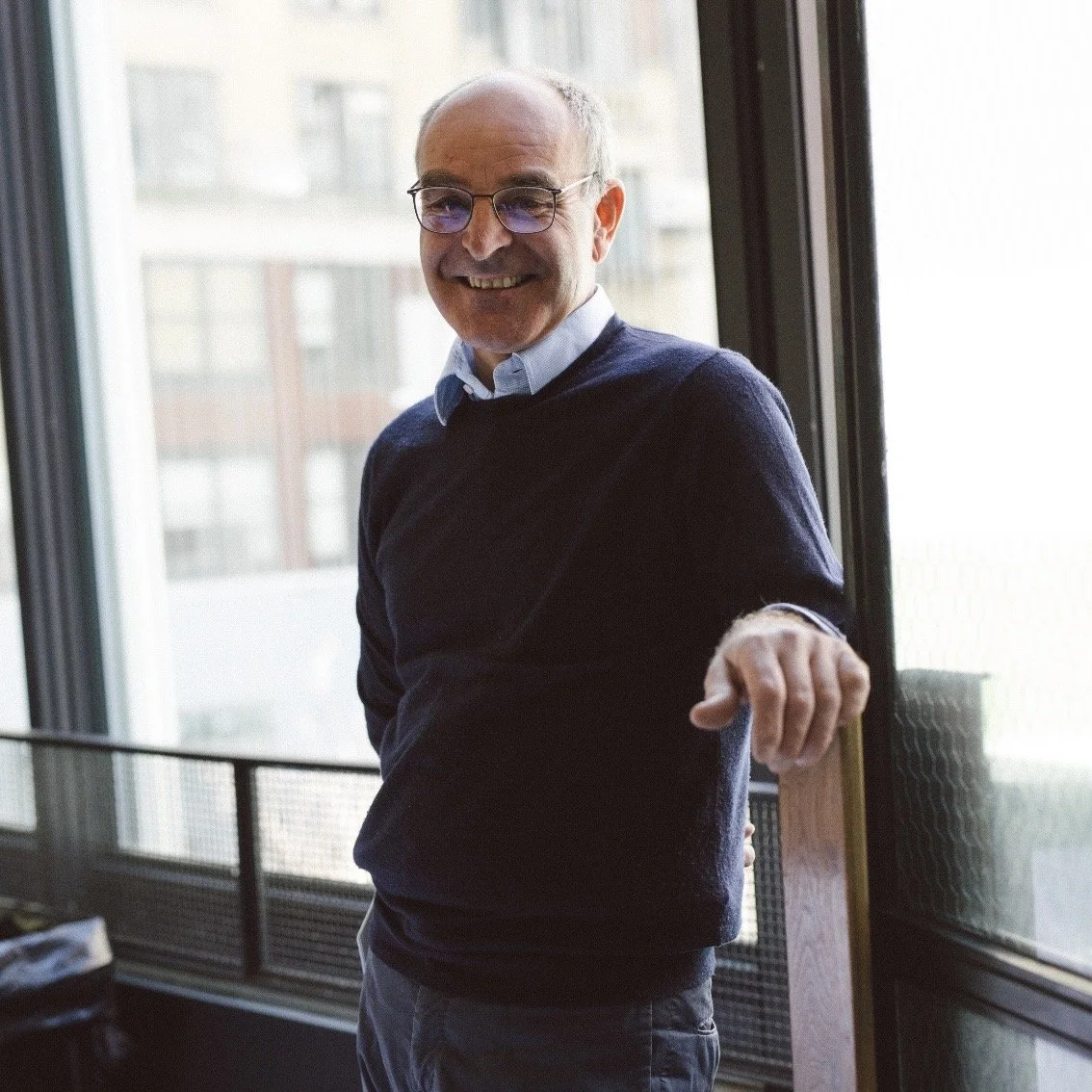
Roman Jäger
Weingut Jäger represents one of the Wachau’s great hidden gems: a tiny, fifth-generation estate in the hamlet of Weissenkirchen farming some of the region’s most coveted vineyard sites, including Klaus and Achleiten. The steep, terraced vineyards trace the dramatic contours and bends of the Danube through the southern Wachau, producing wines that are unmistakably shaped by their landscape. Roman Jäger’s philosophy in both vineyard and cellar is one of restraint and precision — a perfect example of less is more. Fermented almost entirely in stainless steel, save for the occasional vintage with enough wine to fill a large old oak cask, the wines are transparent, mineral-driven expressions of some of the Wachau’s greatest terroirs.
-
Weingut Jäger is a fifth-generation family estate based in Weissenkirchen in the southern Wachau, approximately one hour west of Vienna. Roman Jäger officially took over winemaking responsibilities beginning with the 1995 vintage and became full owner of the estate in 2008, gradually expanding holdings to nine hectares while modernizing the cellar with a focus on stainless steel vinification. Annual production remains modest at roughly 50,000 bottles, allowing for meticulous vineyard work and careful selection across some of the Wachau’s top vineyard sites.
-
Jäger farms steep, terraced vineyards throughout Weissenkirchen, where the Danube River moderates temperatures and cool nights help preserve acidity and aromatic precision. The estate’s holdings span several of the Wachau’s most important geological formations, each lending a distinct identity to the wines.
Ried Achleiten, one of the Wachau’s grandest crus, is composed of granite, slate, mica, amphibolite, and loess soils on a dramatic south-facing slope enclosed in part by ancient stone walls. The site is known for intensely mineral wines with smoky, earthy complexity and exceptional structure.
Ried Klaus sits adjacent to Achleiten but offers a slightly different profile, with crystalline soils derived from granite and Gföhler gneis alongside quartz and loess deposits. The upper, stonier parcels are planted primarily to Riesling, while Grüner Veltliner occupies richer lower sections. Wines from Klaus tend to show greater tension and pronounced acidity.
Ried Steinriegl, located on the western side of the river, contains more clay and less chalk than neighboring sites, yielding wines with pronounced citrus character and broad mineral depth. Roman’s oldest parcel here was planted by his father more than fifty years ago.
Vorder Seiber, one of the domaine’s newer vineyard sources, combines weathered gneis with deep loess soils that soften the naturally mineral profile of the site, creating wines with generosity and texture alongside Wachau freshness.
-
All grapes at Weingut Jäger are harvested by hand using a small team of pickers, a necessity on the steep Wachau terraces. Roman farms according to the natural demands of each site, planting Riesling on the stoniest, leanest soils while Grüner Veltliner is reserved for deeper, richer parcels with more loess and clay influence.
The long growing season and dramatic day-night temperature shifts of the Wachau are central to the domaine’s style. Roman emphasizes preserving acidity and freshness through careful harvest timing, often harvesting late into October depending on the vintage.
-
Jäger’s cellar philosophy is rooted in purity, precision, and transparency of site. Following harvest, the grapes are crushed before pressing, then settled for approximately eight hours prior to fermentation. Fermentations proceed slowly over 10–14 days, after which the wines are quickly racked and aged on their fine lees depending on the cuvée.
Fermentations are carried out with native yeasts, almost entirely in stainless steel, emphasizing freshness, minerality, and aromatic clarity. Roman favors long, cool fermentations to preserve fruit purity and site expression. In select vintages with sufficient volume, a small amount of wine may be aged in large, old oak casks, though the overall approach remains decidedly non-oxidative and terroir-driven.
For Rieslings from Achleiten, extended lees aging in stainless steel is used to build additional texture and complexity while maintaining the wine’s signature tension and mineral drive.
Wines
Grüner Veltliner Steinfeder
Drawn from estate vineyards around Weissenkirchen, this Steinfeder is vinified entirely in stainless steel with cool fermentations and lees aging designed to preserve delicacy, freshness, and mineral clarity. Roman views Steinfeder as the purest expression of Wachau drinkability — light on its feet, brisk, and precise, emphasizing transparency and energy rather than power.
Grüner Veltliner Federspiel Ried Klaus
From the steep south-eastern slopes of Ried Klaus in Weissenkirchen, this Grüner Veltliner grows in crystalline granite-derived soils with quartz and loess deposits that contribute both tension and mineral depth. The grapes are crushed before pressing and fermented with native yeasts in stainless steel for approximately three months, resulting in one of the estate’s most precise and structured Grüner Veltliners, balancing Wachau richness with bright acidity and mineral energy.
Grüner Veltliner Federspiel Vorder Seiber
Vorder Seiber, one of the estate’s newer vineyards, combines weathered Gföhler gneis with deep loess soils on a south-west facing slope, producing a broader and more generous expression of Grüner Veltliner. Following gentle crushing and pressing, the wine ferments in stainless steel for three months, preserving freshness while allowing the loess-rich soils to soften the wine’s mineral core and add texture and roundness.
Riesling Federspiel Steinriegl
From Ried Steinriegl on the western side of the Danube, this Riesling is rooted in mineral-rich soils of limestone, silicate, marble, clay and rocky subsoil that consistently produce wines of pronounced citrus character and stony tension. Fermented naturally in stainless steel and aged on its fine lees, the wine reflects the site’s vibrant acidity and mineral precision, with fruit sourced in part from parcels planted by Roman’s father more than fifty years ago.
Riesling Smaragd Ried Steinriegl
This Riesling comes from the clay-rich rocky soils of Ried Steinriegl, where limestone, silicate, and marble contribute both concentration and vibrant mineral drive. Following slow native fermentation in stainless steel and extended lees aging, the wine balances Smaragd-level depth and texture with pronounced citrus character, firm structure, and the freshness and clarity.
Riesling Smaragd Ried Achleiten
Ried Achleiten is one of the Wachau’s great Riesling terroirs, with steep south-facing terraces composed of amphibolite, migmatite, slate, mica, and loess that produce wines of remarkable mineral complexity and structure. Fermented in stainless steel for approximately three months and kept longer on its fine lees for additional texture, this Smaragd bottling combines smoky minerality and deep stone fruit character with the brightness and layered complexity imparted by the site’s high amphibolite content.
Gelber Muskateller Federspiel
Sourced from vineyards surrounding Weissenkirchen, this Gelber Muskateller is fermented in stainless steel at cool temperatures to preserve freshness, aromatic lift, and precision. Roman Jäger approaches Muskateller with the same restrained philosophy he brings to his Grüner Veltliner and Riesling, emphasizing clarity, mineral tension, and balance over overt exuberance.