
azienda Agricola Tinessa
Montemerano, Taurasi, Campania, Italy
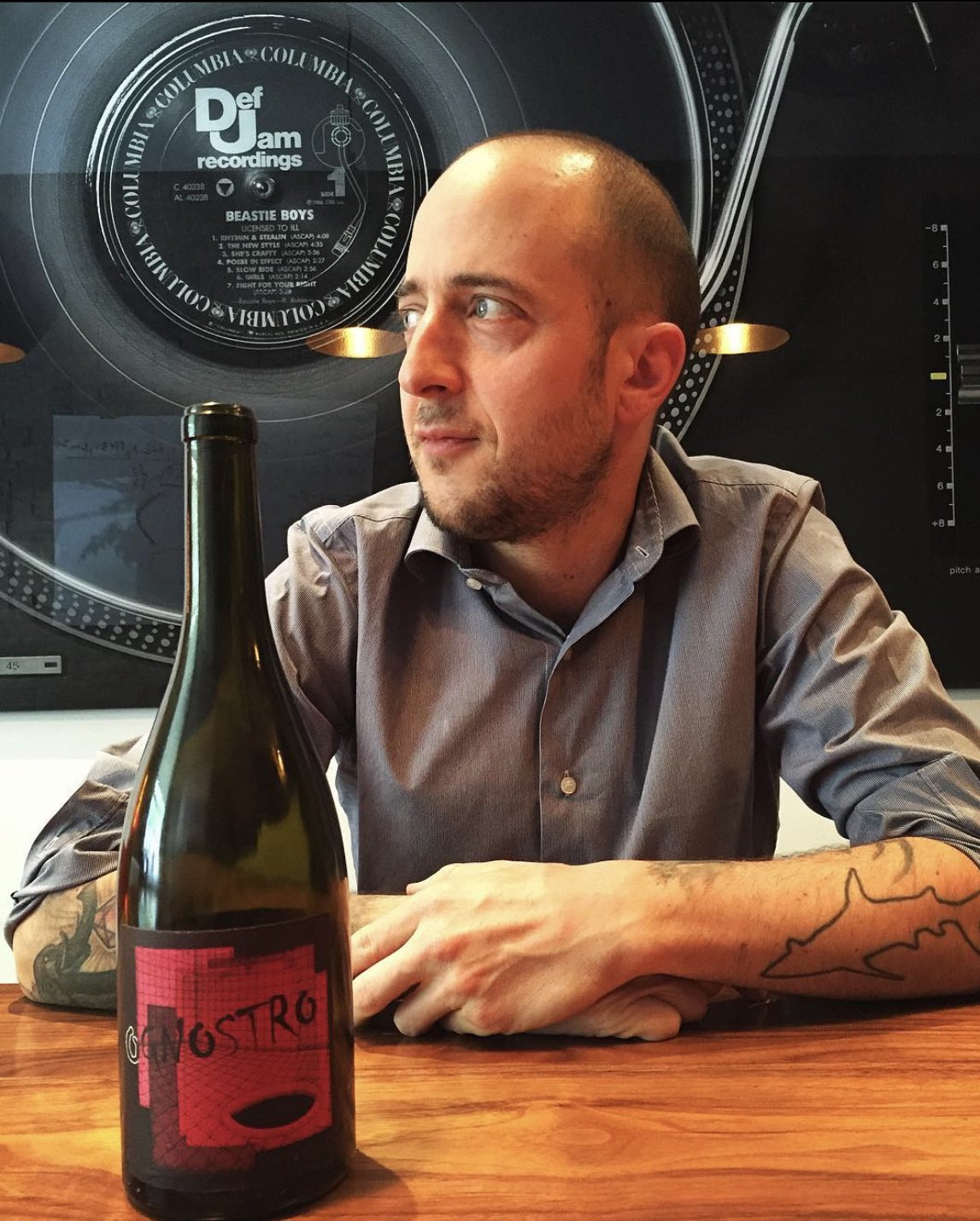
Marco Tinessa
Marco Tinessa’s story is not your average Italian winemaking story: he has no family vineyards, nor centuries’ old roots. An established bank manager in Milan, where he lives with his wife and son, this project grew out of Tinessa’s obsession with natural wine and his passion for the Taurasi district in his home region of Campania. “O’gnostro” came to life in 2007. Tinessa’s objective is simple: to bring to light the uniqueness of his territory by way of authentic, respective farming and the use of native clones that have historically thrived there. Simply put, Tinessa is safeguarding an ecosystem. He shares our love for Burgundy and the Rhone Valley, and his passion for wine is consistently fed by curiosity and sharing wines with fellow enthusiasts around the table.
-
Ognostro is a local term for wine in Neapolitan dialect and literally means “ink”. From the get go, Tinessa’s project has been all about preserving and promoting Campania’s extraordinary varietals, Aglianico and Fiano di Avellino, and has more recently added Falanghina to his repertoire. The project’s origins lie high up in the Campania denomination of Taurasi, where one of Italy’s most powerful and intriguing reds has long been produced. Tinessa acquired a single vineyard of Aglianico near Montemarano to begin with, and with the help of his mentor and friend, Frank Cornelissen (whose winery in Sicily has become a standard bearer for Italian natural wine) he fermented and aged the wine in Sicily...all while masterminding and managing things from his home in Milan. A biological philosopher in the vineyard, Tiinessa harvests very low yields and hands an all around hands-off approach in winemaking. The wines are extremely limited in production, and have become cult favorites over the years.
-
The village of Montemerano was made famous by the area’s first ever single-vineyard wine by Mastroberardino, the historic leader of Taurasi. Tinessa knocked door to door when looking for a vineyard site in Campania, with a clear idea of what he wanted: southern exposition and swift ventilation. The soils in this area of Campania are calcareous and friable, interlaced with tuft and volcanic ash. Tinessa cultivates Aglianico in three parcels situated at an average of 450 mt above sea level between Montemarano and Castelfranci, from vineyards ranging from 50 to 90 years old. Tinessa’s Fiano is in Lapio within the “Fiano di Avellino” denomination, where the vineyards are 500 mt in altitude with northwest exposure. Tinessa’s most recent venture takes into account rented Falanghina vineyards in Bonea in the area of Taburno, where the varietal thrives, at 300 mt above sea level.
-
All of Marco’s vineyards are organically farmed, and while he can’t always be present, patience and virtue have allowed Tinessa to work with local farmers with extraordinary sensibility and knowledge. All vineyards are worked parcel by parcel, and are harvested by hand. He prefers low yields and often harvests late, particularly in regards to Aglianico, which allows for good phenolic ripeness without comprising the grape’s naturally high acidity. Tinessa seeks a return to authentic viticulture, respecting the environment and excluding the use of chemical products or other modern techniques in the vineyard.
-
Tinessa’s cellar seeks to be as neutral of a place as possible throughout the winemaking process: spontaneous fermentation is a must, and aging vessels are preferred as non-influential as possible hence the use of ceramic amphora or concrete vessels. Sulphur is only used when necessary following fermentation, all of which is done to best preserve the aromas and flavors of each individual variety in the specific framework of the vintage.
Wines
Ognostro Fiano
100% Fiano from two parcels in Lapio (Fiano di Avellino), with vines aged 30–60 years. Fruit is de-stemmed with one day of skin maceration in glass-lined vats, followed by spontaneous fermentation with indigenous yeasts. The wine is aged for up to 18 months in a combination of concrete tanks and ceramic amphora, with minimal SO₂ added only after fermentation. It is not fined or filtered. Since 2022, labeled as Campania Fiano. A newer parcel in Santa Lucia (younger vines, north-facing, surrounded by woods) contributes partial skin-contact fruit, adding structure and freshness.
Ognostro Greco
100% Greco from a 0.5 ha vineyard in Chianchetelle (Greco di Tufo), at 600–650 meters elevation on a southwest-facing ridgeline. Vines range from 10–30 years old and are harvested late, typically in October. Grapes are de-stemmed, with 50% direct press and 50% one night of skin contact. Fermentation and aging take place in stoneware amphora, with minimal SO₂ added after fermentation. No fining or filtration.
Rubice Bianco
100% Falanghina from young vineyards in Frasso Telesino, Castelvenere, and (as of 2024) Montesarchio. Grapes are partially direct pressed and partially macerated on the skins for a short period (reduced to one night in 2024). Fermentation is spontaneous in glass-lined vats. The 2024 vintage is aged entirely in ceramic vessels for approximately 7 months.
Rubice Campania Aglianico
100% Aglianico del Taburno sourced from Foglianise and Montesarchio (7-year-old vines). Grapes are hand-harvested, de-stemmed and fermented on the skins for two weeks. The wine is aged for 12 months in stainless steel and gres amphora before bottling.
Ognostro Aglianico
100% Aglianico from two sites: Montemarano (Avellino, historically known as the best site in the Taurasi appellation, 30-year-old vines) and Castelfranci (500m elevation, southwest exposure, 50–90-year-old vines). Grapes are hand de-stemmed and macerated for about two weeks in concrete vats. Fermentation is spontaneous in glass-lined vats, followed by 18 months of aging in ceramic/gres amphora. No fining or filtration.
character. Gritty tannins beckon longevity.